
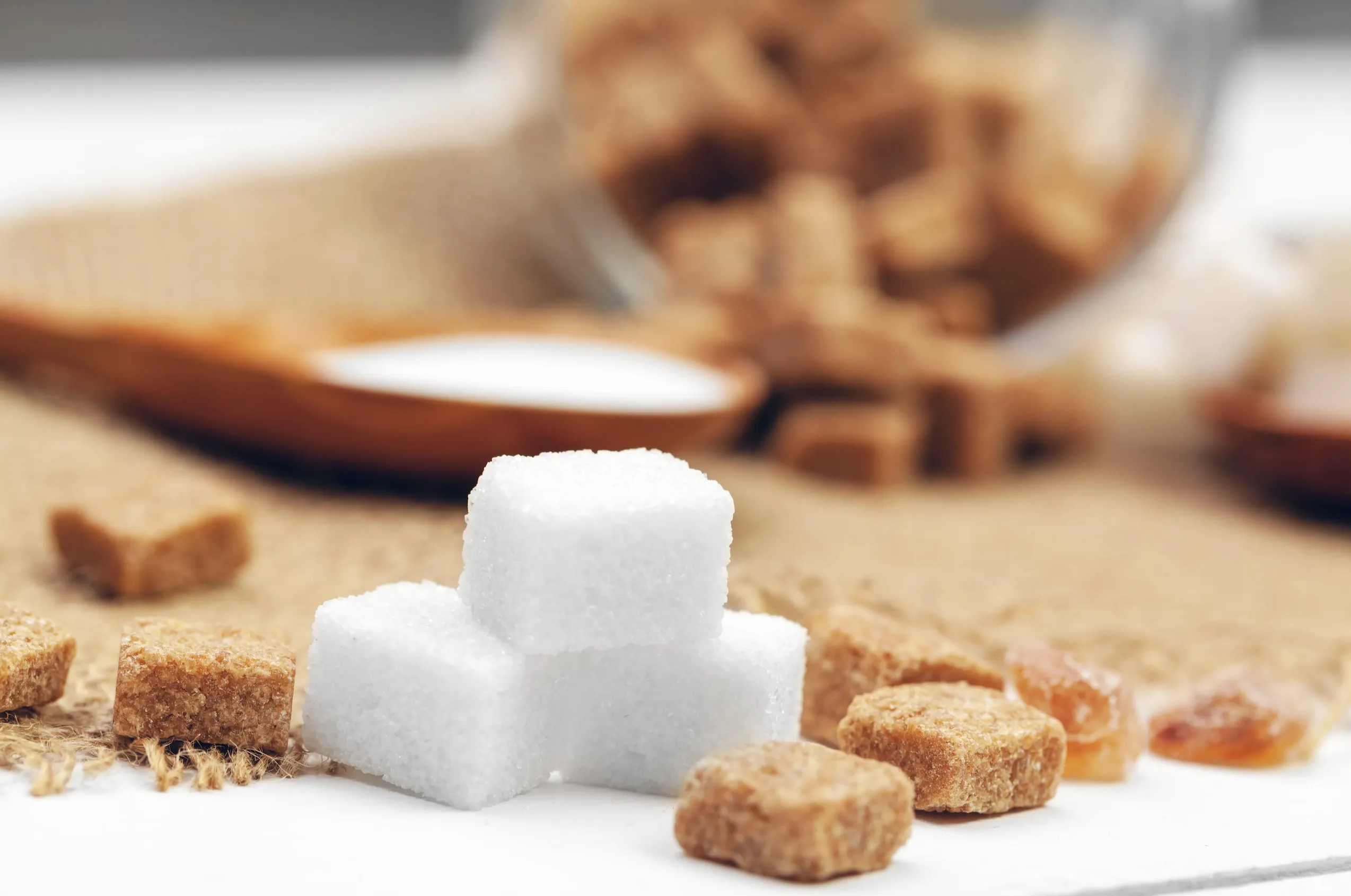

When you eat sugar and simple carbohydrates, your nutrient reserves are depleted. Essential nutrients are needed to burn blood glucose.
One of the main functions of nutrients is to support the body’s metabolism (fuel burning). When you consume calories without nutrients, your body is forced to use stored nutrients to burn fuel or build tissue. For example, to burn fat and normalize glucose levels, you need vitamin B1, potassium, magnesium, zinc, chromium, manganese, and calcium (nutrients). B vitamins are essential for burning blood glucose and can be taken at any time. Every time you eat sugar, you deplete these nutrients.
Your glucose and insulin levels also rise, leading to insulin resistance. With insulin resistance, cells have difficulty absorbing not only glucose but also amino acids, vitamins, and macro- and micronutrients. People with prediabetes and diabetes typically have nutrient deficiencies.
If you consume pure glucose (sugar) without vitamins and nutrients, your body begins to draw vitamins from its own stores. This results in a nutrient deficiency. Simple carbohydrates lead to a B1 deficiency. When your glucose levels rise, you use up vitamin B1, causing you to become nervous, your heart rate increases, and you become tired. Without zinc, your immune system weakens, and testosterone levels drop. Vitamins with zinc are helpful for immunity. A potassium deficiency can cause your heart rate to increase.
Potassium and magnesium are vitamins that boost immunity.
Foods high in potassium are not only allowed, but also recommended, on a keto diet.
The normal serum potassium level is 3.5 – 5.1 mmol/L.
Potassium is found in a variety of foods. Among foods containing potassium,
the most common is
- Beet greens.
They can be added to kale or added to a salad. Beet greens are beneficial for the gallbladder and liver.
- Potassium plays a very important role in the human body.
Cauliflower is ideal for a keto diet. It’s low in carbs and rich in vitamins B, C, and E, as well as macro- and micronutrients. Like all cruciferous vegetables, it’s also rich in phytonutrients.
But there are many other foods that help the body counteract the damage caused by sugars and carbohydrates. They also help normalize insulin levels.
Foods rich in potassium include
- avocado, beans, spinach, zucchini, salmon, and Brussels sprouts.Калий и магний очень важны для кетогеннойдиеты и полезны для сердца.
You can get them by eating 7-10 cups of vegetables a day. Potassium and magnesium are needed to combat insulin resistance.
Symptoms of insulin resistance:
Fatty liver, belly fat, digestive issues, and cravings for sweets—simple carbohydrates and sugar. Insulin resistance is caused by high insulin levels, which are spiked by sugar, protein, estrogen, and cortisol. Apple cider vinegar, fermented vegetables, vitamin B1, and fiber can help lower insulin. A combination of a keto diet and intermittent fasting is recommended.
Replenish any missing nutrients. If you’re struggling to lose weight, a healthy keto diet and intermittent fasting can help.
Reduce your intake of simple carbohydrates and sugars. Lowering your blood sugar is important if you have a sugar addiction. The body should use ketones for fuel, not sugar and glucose. Sugar is extremely harmful to the body. Perhaps your weight loss is due to insulin resistance, a condition in which the body’s cells stop using insulin. Symptoms of insulin resistance include cravings for sweets and carbohydrates. While insulin resistance can be corrected, treating insulin resistance, prediabetes, and diabetes takes time.

